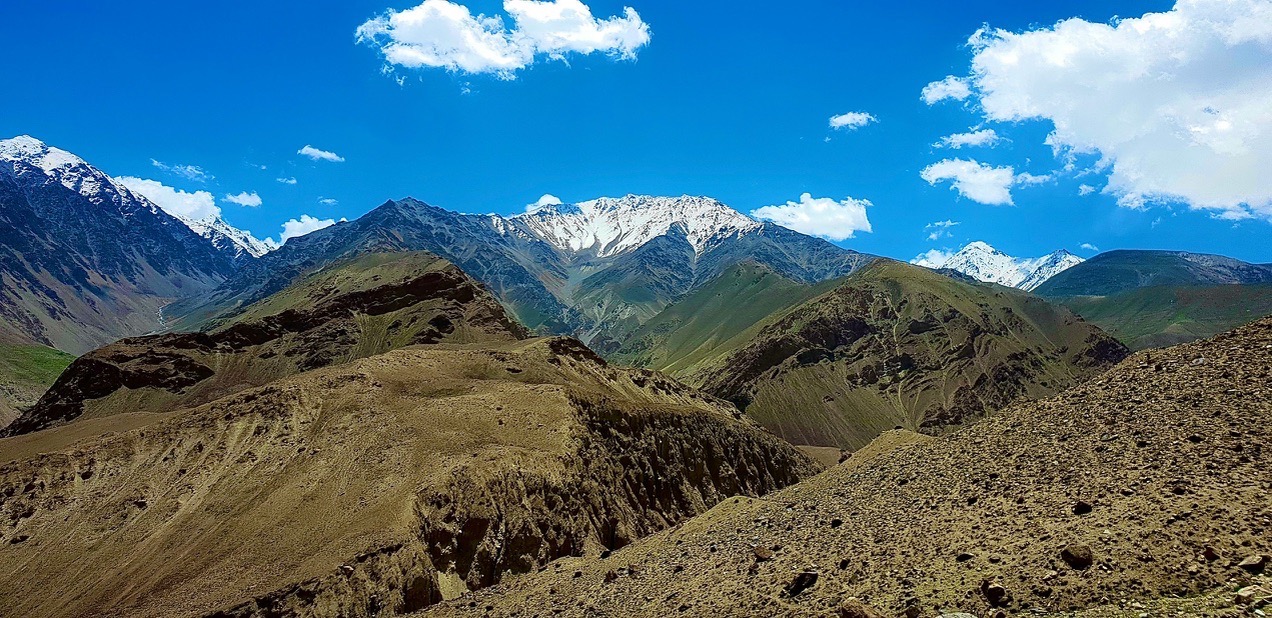
Regional Overview
Explore the provinces of Northern Afghanistan.
Overview
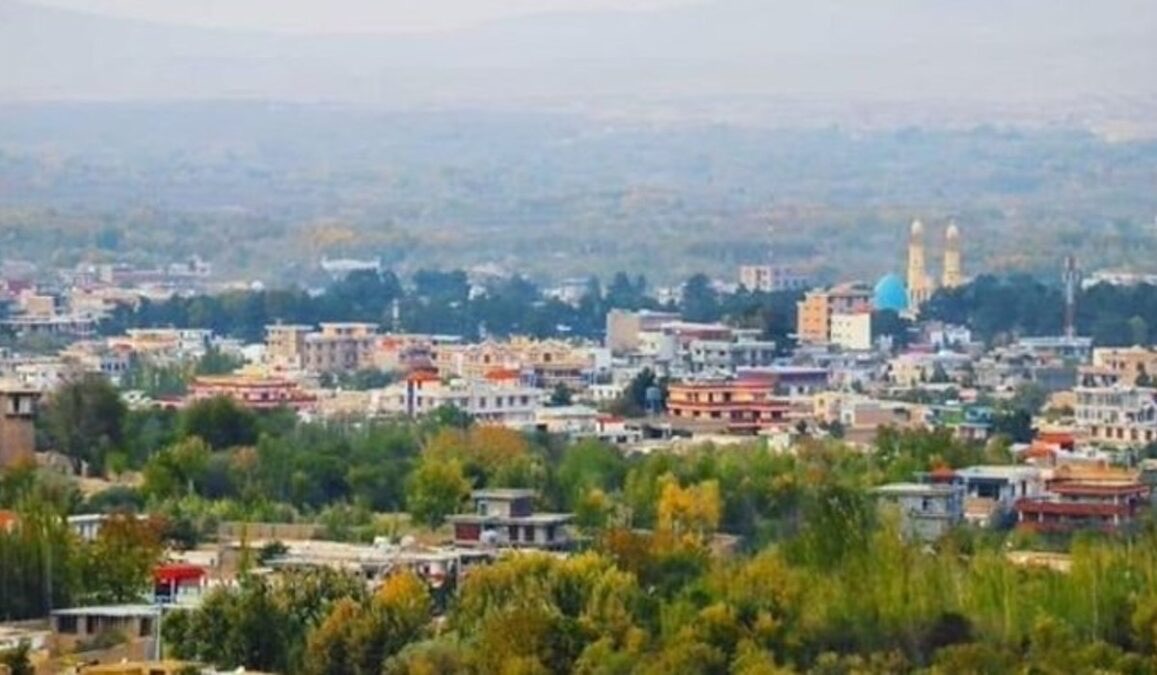
Northern Afghanistan is a region of ancient Silk Road cities, fertile agricultural plains, major Islamic landmarks, and deep connections to Central Asian culture. Centered around cities such as Mazar-e-Sharif, Balkh, Kunduz, and Samangan, the north combines historical architecture, caravan history, pastoral landscapes, and vibrant regional traditions.
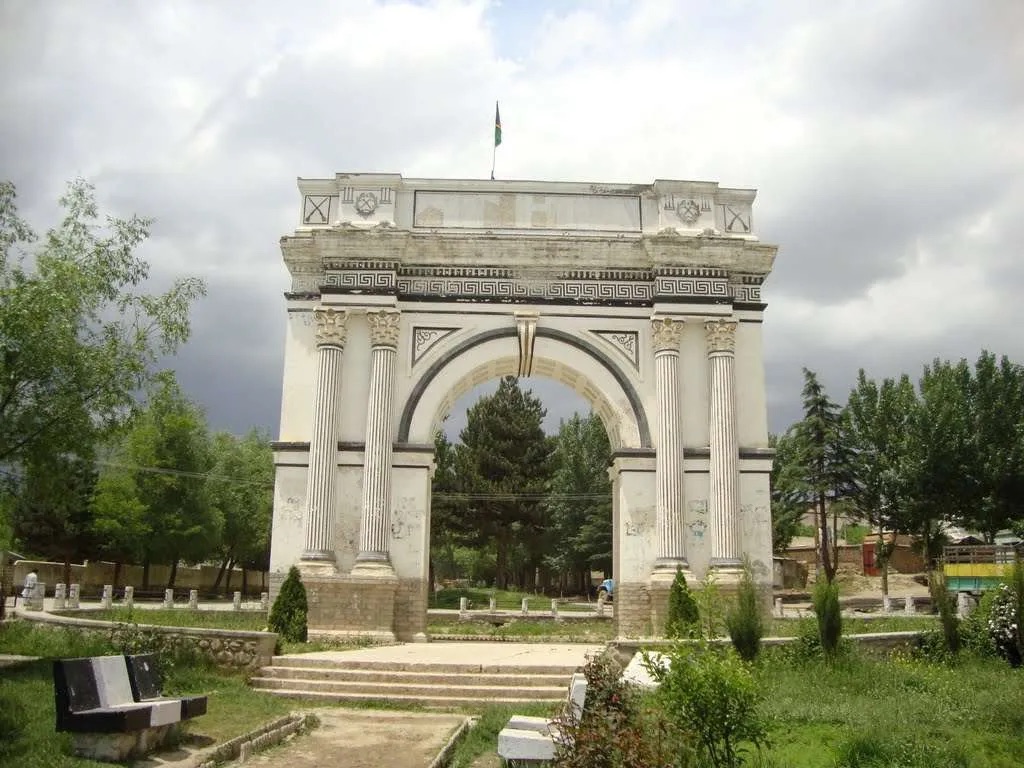
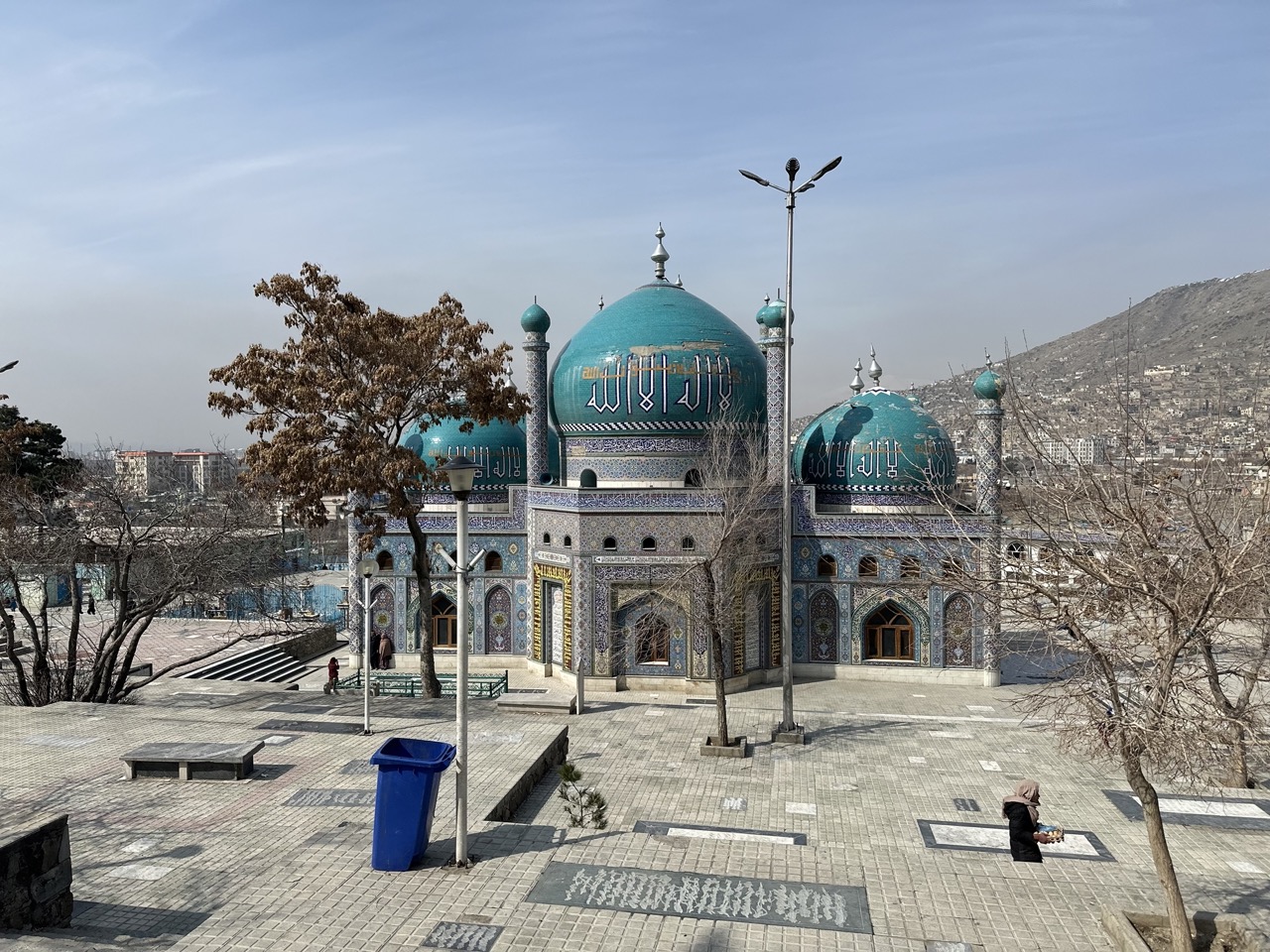
The region is home to some of Afghanistan’s most important cultural and spiritual landmarks, including the Blue Mosque in Mazar-e-Sharif and the ancient city of Balkh, often referred to as the “Mother of Cities.” Northern Afghanistan also contains important Buddhist, Greek, Kushan, and Islamic archaeological heritage tied to centuries of trade and empire.
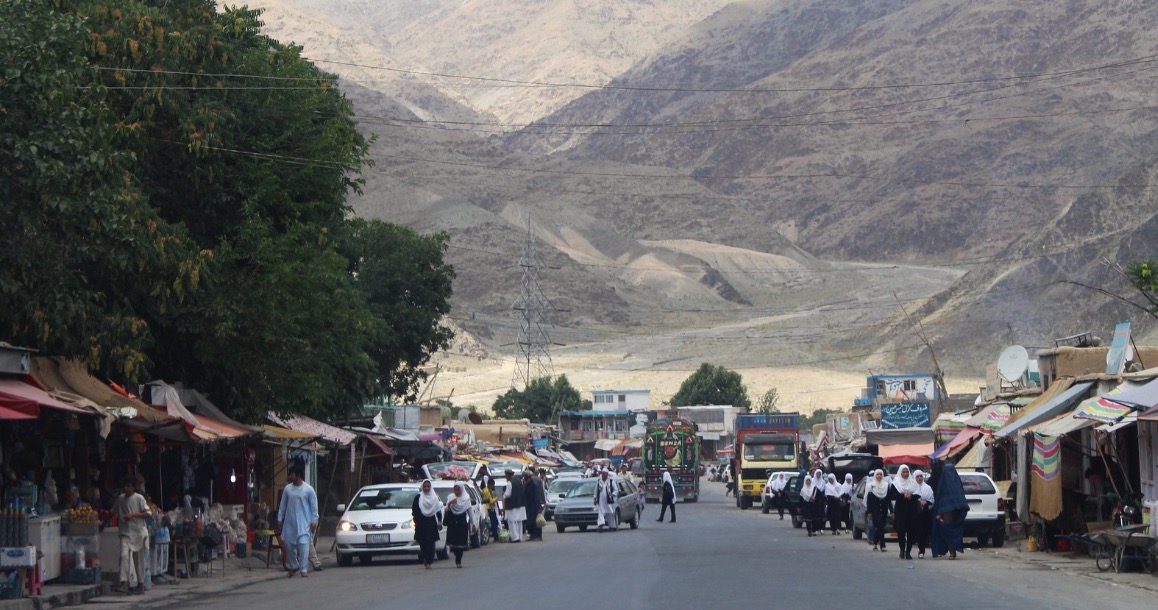
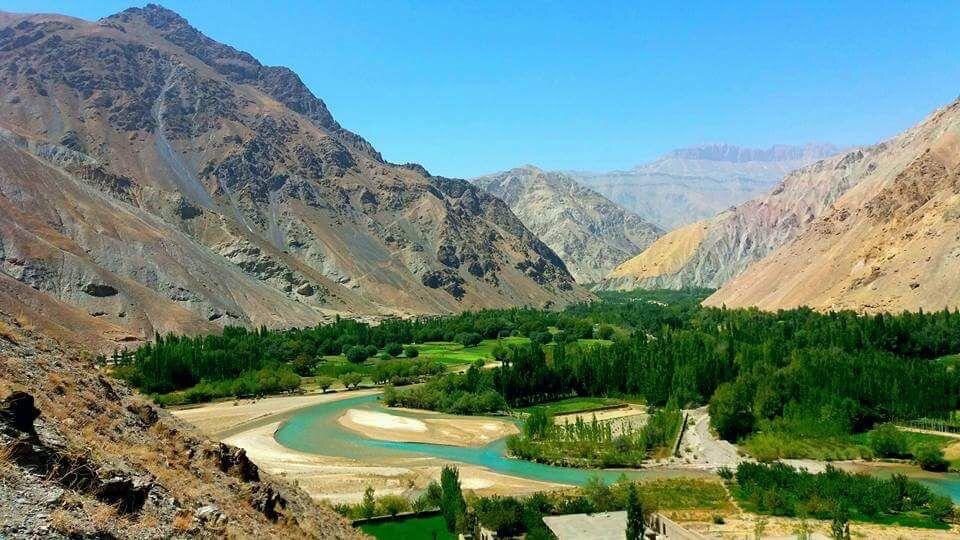
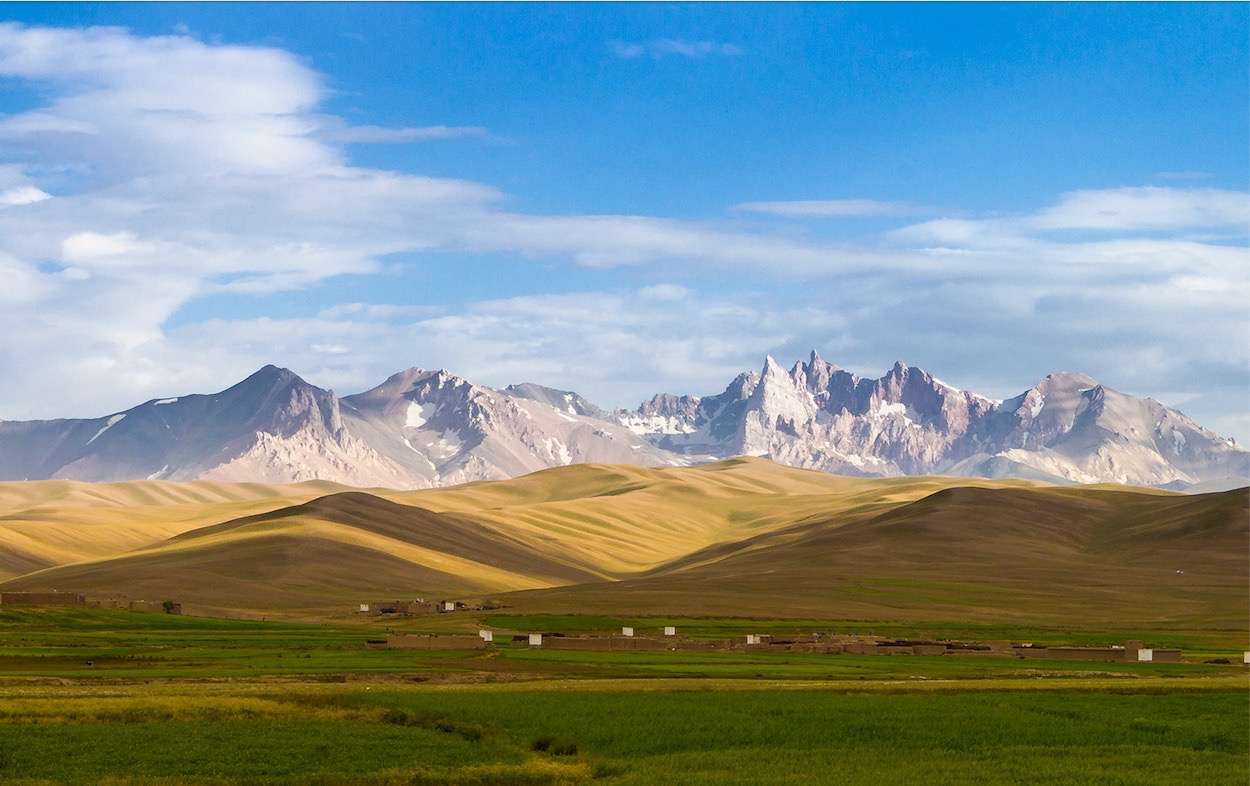
Travelers encounter broad plains, agricultural fields, river valleys, desert edges, and major regional bazaars that differ significantly from Afghanistan’s mountainous central regions.
Travel Character
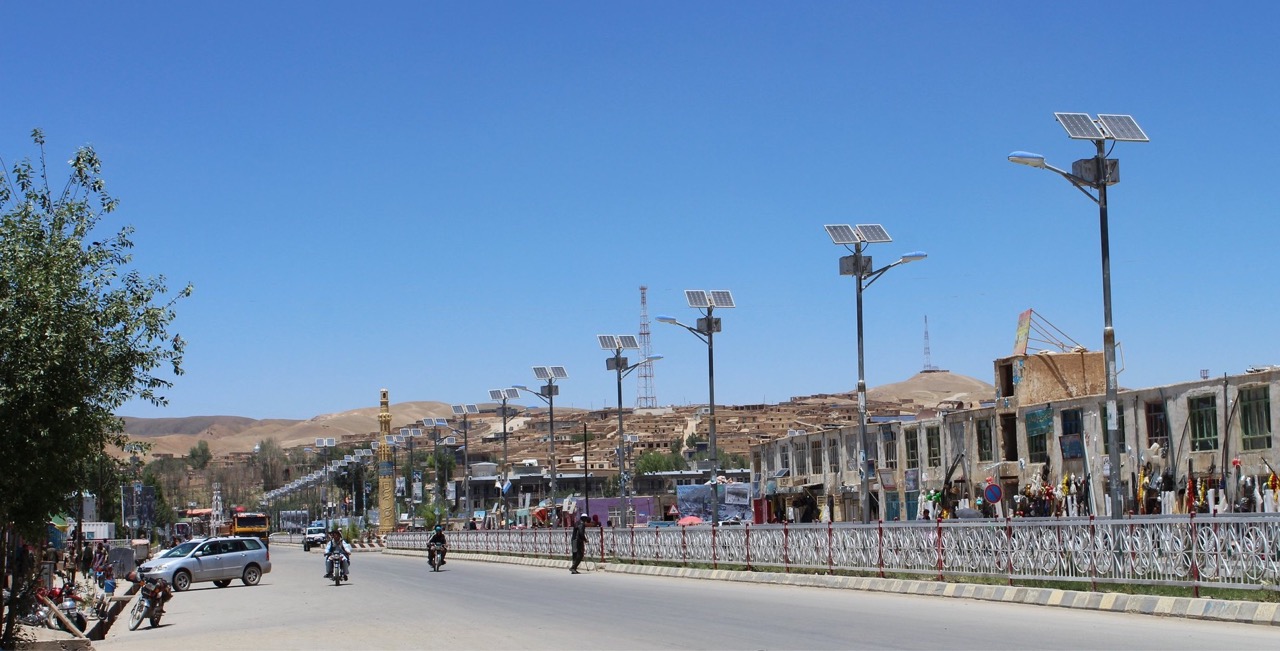
Travel in Northern Afghanistan generally feels more open and expansive than the central highlands, with longer horizons, broader roads, and large agricultural landscapes dominating much of the region.
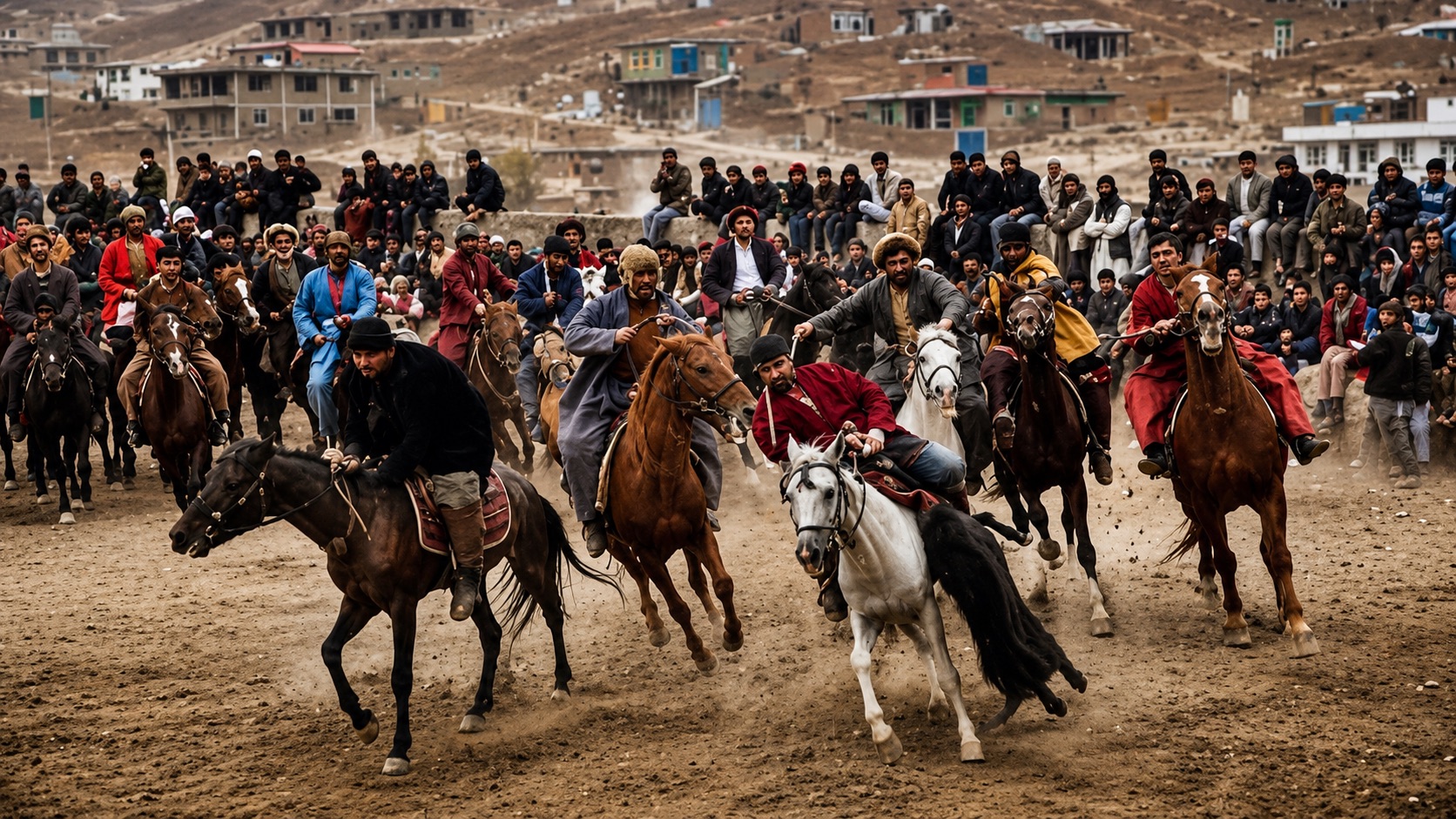
The north blends urban historical exploration with rural pastoral scenery and traditional market culture. Travelers frequently move between Islamic shrines, archaeological sites, village communities, and fertile farming districts known for melons, almonds, raisins, carpets, and regional crafts.
Northern Afghanistan is especially well suited for:
- Silk Road travelers
- Historians and archaeologists
- Cultural travelers
- Religious heritage tourism
- Photography travelers
- Travelers interested in Central Asian influence and trade history